ISO (Film Speed)
Dictated by the roll you choose. A low number (ISO 100) requires more light but yields fine grain. A high number (ISO 400 or 800) is more sensitive to light, perfect for overcast days, but introduces a moodier, grainier texture.
Every roll is a blank slate. Learn the mechanics of light, shadow, and chemical emulsion to bring your photographic vision to life. No batteries required.
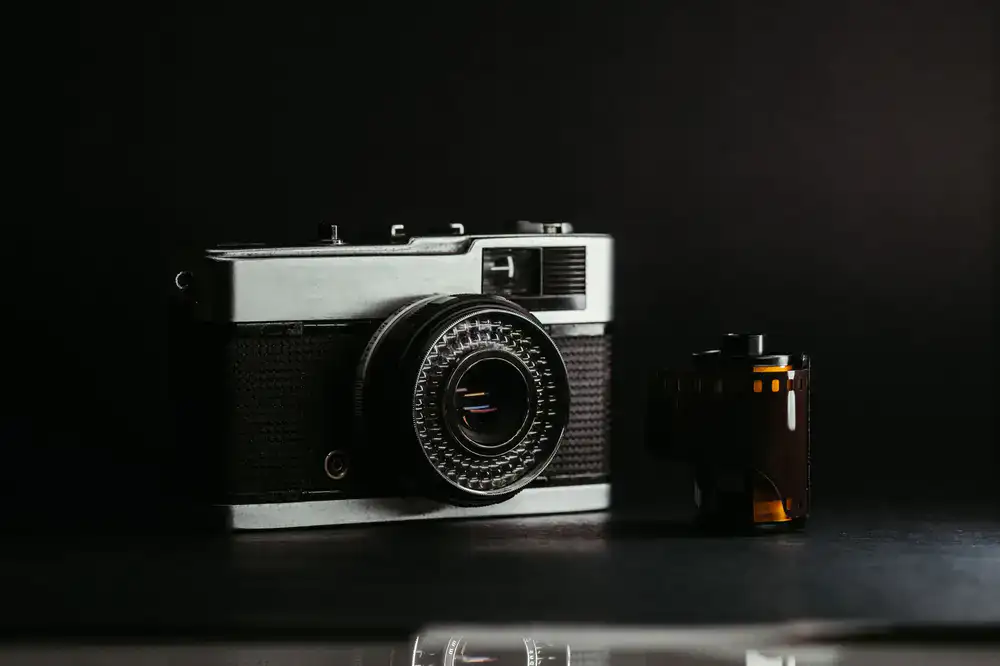
Unlike digital sensors, film has a fixed sensitivity (ISO). Understanding how aperture and shutter speed interact with your film stock is the key to perfect negatives.
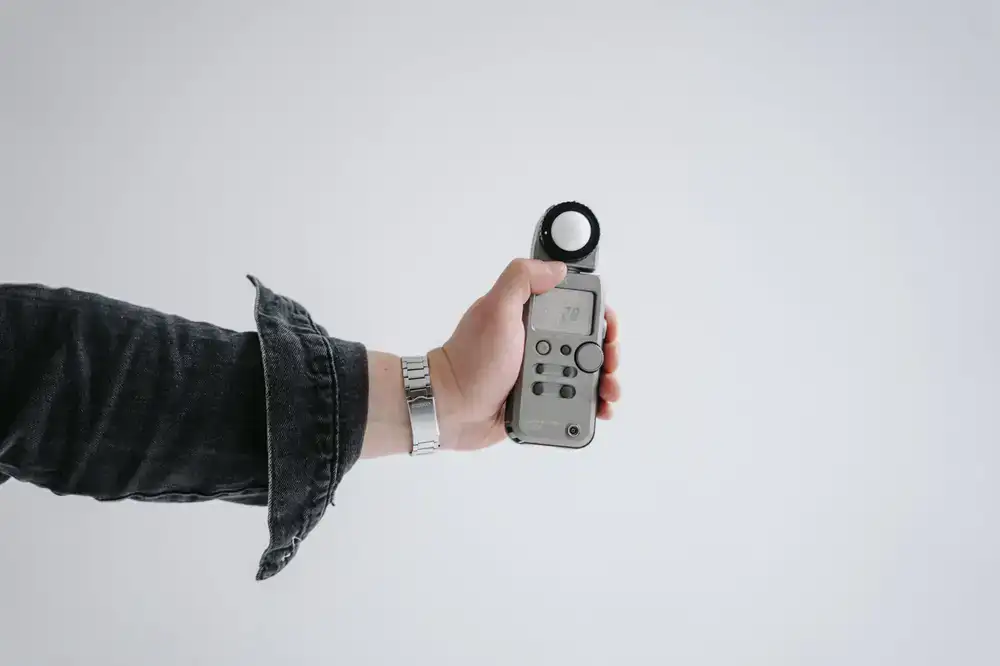
Dictated by the roll you choose. A low number (ISO 100) requires more light but yields fine grain. A high number (ISO 400 or 800) is more sensitive to light, perfect for overcast days, but introduces a moodier, grainier texture.
The opening in your lens, measured in f-stops. A wide aperture (f/2.8) lets in abundant light and blurs the background. A narrow aperture (f/16) requires more light but keeps the entire scene sharp.
How long the film is exposed to light. Fast speeds (1/500s) freeze motion. Slow speeds (1/30s) let in more light but risk motion blur if the camera is not steady.
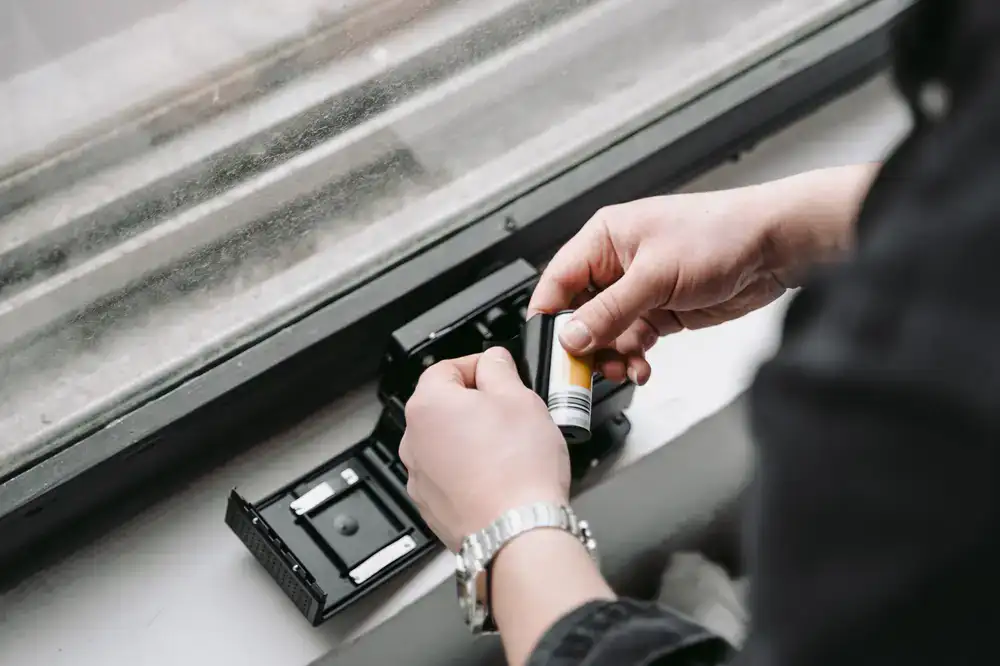
Open the camera back in subdued light. Pull the film leader across the focal plane and thread it into the take-up spool. Fire a blank frame to ensure the film is securely engaged before closing the back.
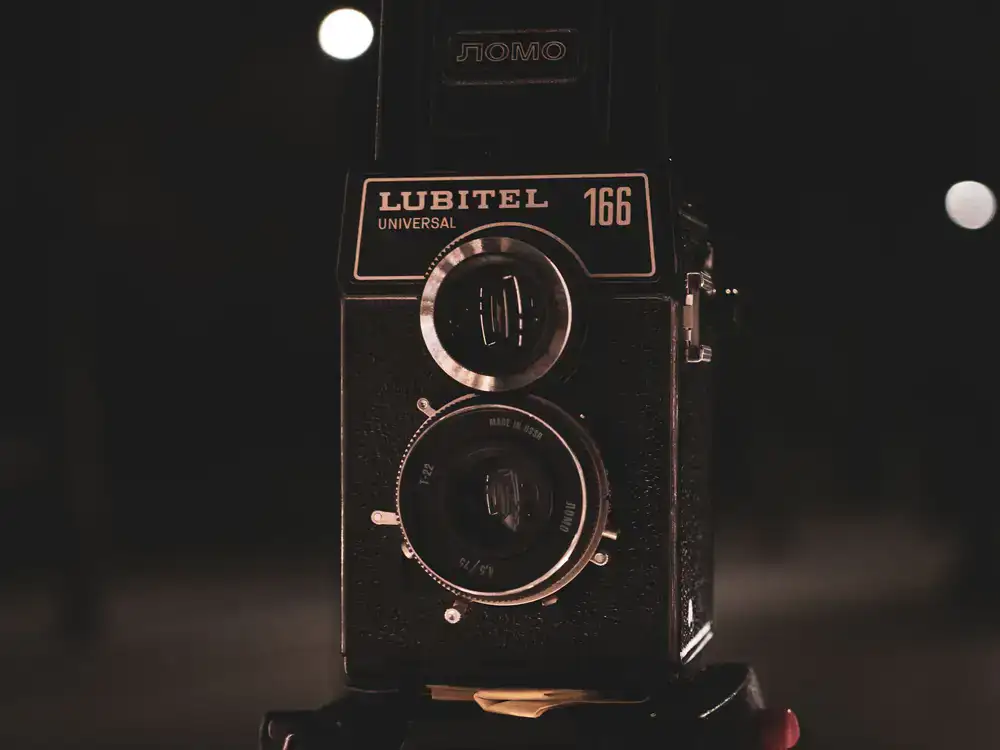
Set your camera's ISO dial to match the film box. Look through the viewfinder, adjust your aperture and shutter speed until the internal light meter indicates a balanced exposure, then dial in your focus.
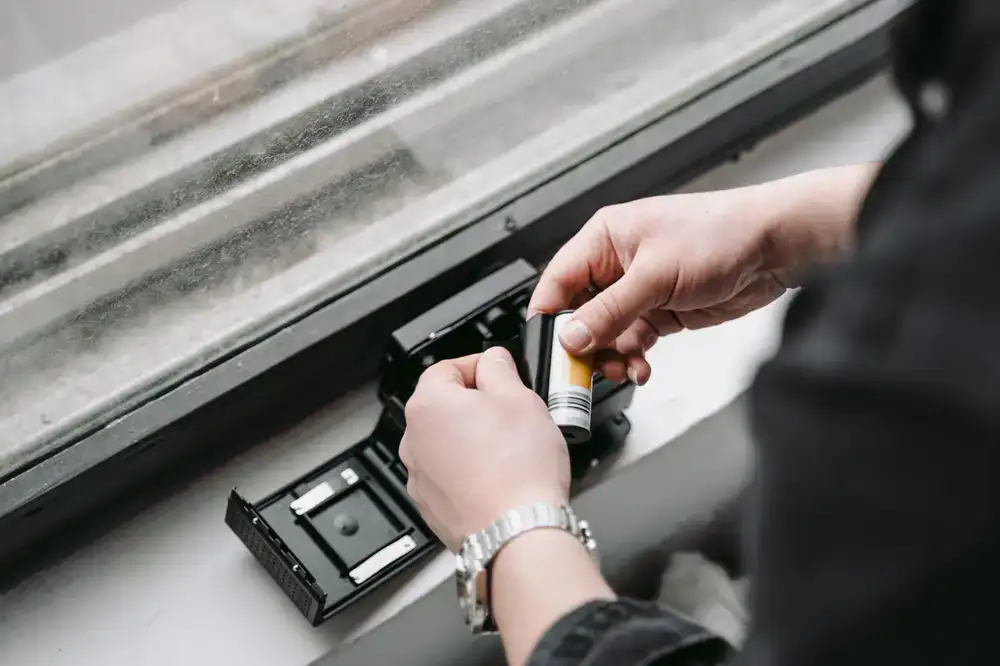
When the advance lever resists, the roll is finished. Press the rewind release button on the bottom of the camera, gently turn the rewind crank until you feel the tension release, then safely open the back.
Different negative sizes dictate the look, resolution, and pacing of your photography.
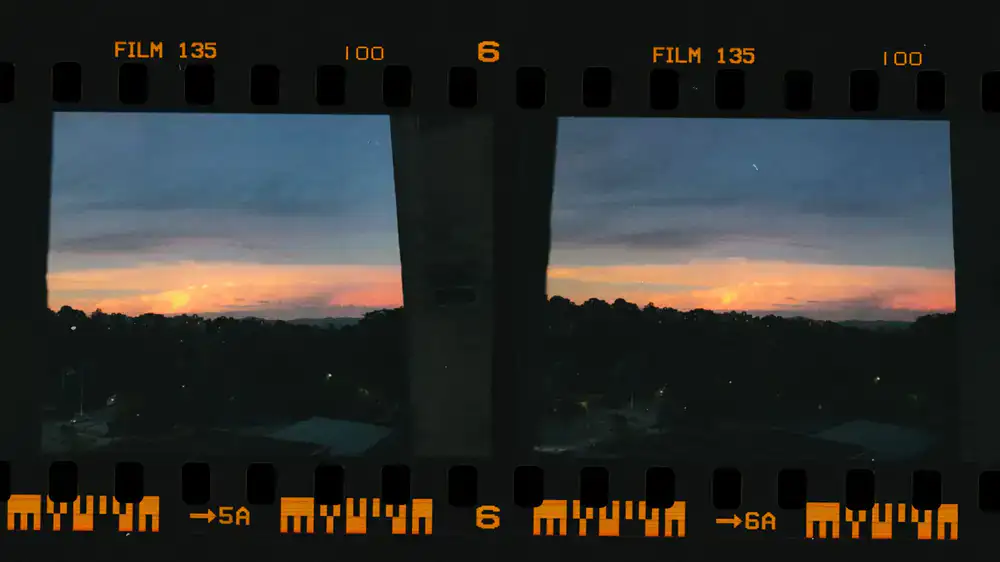
The absolute standard. It offers 36 exposures per roll, allowing for quick shooting and experimentation. The noticeable grain structure gives 35mm its distinct, classic cinematic feel. Ideal for daily life, street photography, and travel.
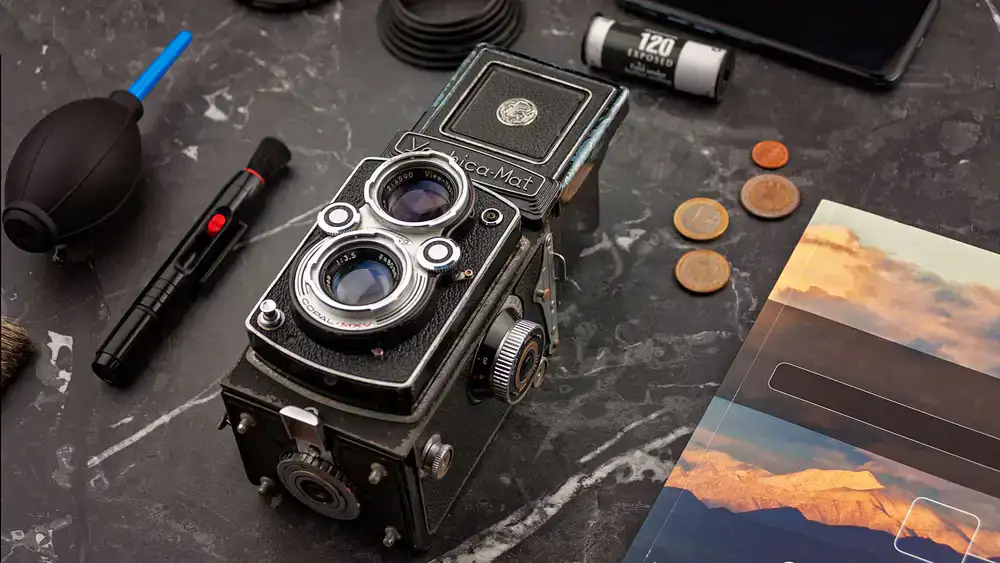
Using a much larger negative, 120 film provides incredible detail, smooth tonal transitions, and a shallower depth of field. Perfect for portraits, landscapes, and studio work where resolution is paramount.
Not ready for manual focus? Compact point-and-shoot cameras handle exposure and focus automatically, letting you concentrate entirely on composition and capturing the moment.
Whether you need a reliable vintage camera to start your journey or you have exposed film waiting to be revealed, we are here to support your analogue process.